n rainy or windy weather, you always want your favorite clothing to protect you from inclement weather. MBocharova brand understands its customers very well, so it offers elegant and tasteful jackets made of the most suitable material - rain fabric.
Rainproof material has been known since World War I, when British soldiers began receiving special protective raincoats made of the latest waterproof fabric.With the passage of time and the development of the textile industry, the material ceased to be purely military in nature and quickly gained demand and favor from clothing manufacturers and grateful customers around the world - after all, rain falls on almost the entire inhabited surface of our planet.
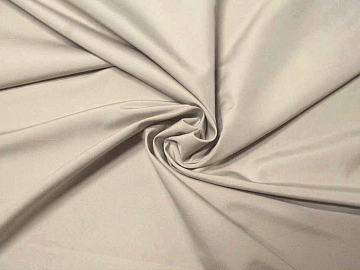
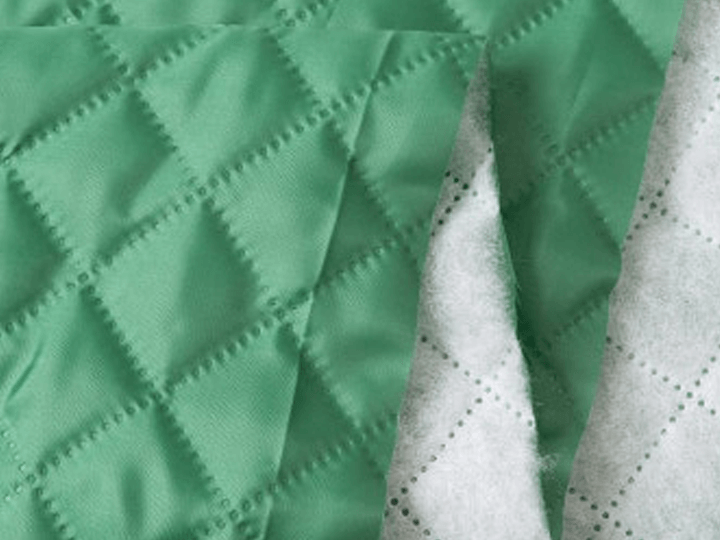
Rainwear is easily distinguished by its appearance: it is a thin and lightweight fabric with a distinctive print. The material is completely synthetic, and the ability to repel water is provided by a special fabric saturated with hydrophobic compounds. Today there are many types of rainwear: as a separate fabric, in combination with other types of textiles or made by layering. In any case, the characteristics of rainwear fabric can be found in bologna, nylon, taslan or other types of fabric.
Thanks to its key technological properties, this material is not only waterproof, but also significantly reduces gas exchange. A breakthrough in this direction was the invention of the membrane, a multilayer rain jacket that is resistant to moisture, but at the same time permeable to air.
However, in all other cases, the raincoat has a heat-insulating function, so garments made of fabric alone are unable to keep their owners warm and require a lining made of another type of textile material.
Taking care of rain cloth clothes:
-
Rain fabric is generally unpretentious and resistant to most possible types of dirt. If moisture gets on the fabric, you can simply wipe it off with a soft, hygroscopic cloth;
-
If the stain is ingrained in the fabric, treat it with a detergent solution and wash it;
-
The recommended washing temperature for rainwear should not exceed 40°C;
-
When washing in the washing machine, do not use high drum speeds and spin cycle, as moisture will quickly leave the raincoat under normal drying conditions;
-
It is recommended to add fabric softener during washing to avoid creasing of clothes and make them softer after drying;
-
Moist clothes can iron themselves: hang damp clothes on a hanger or lay them horizontally to avoid ironing;
-
Rain fabric should be ironed at low or medium temperature (one or two marks on the thermostat of the machine) through gauze. The best way to straighten this fabric is to use a steam generator.
It is not allowed:
-
Using bleach or cleaning products containing aggressive compounds - this damages the protective material that gives the raincoat its main advantages;
-
Storing products in direct sunlight for long periods of time or exposing them to high temperatures from household appliances;
- Washing things made of membrane at home without the use of special means: this material requires special treatment, and if it gets dirty, use the services of a dry cleaner.
Take care of your MBocharova brand clothes according to simple rules, and your favorite things will maintain an attractive appearance, comfort and convenience for a long time!