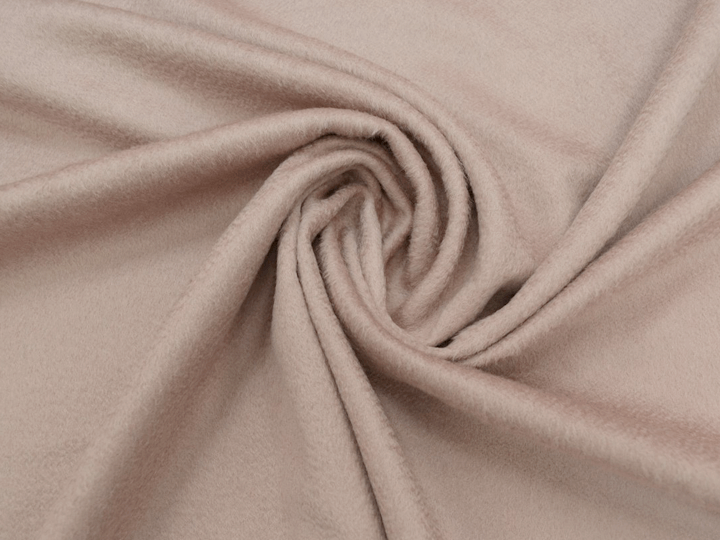
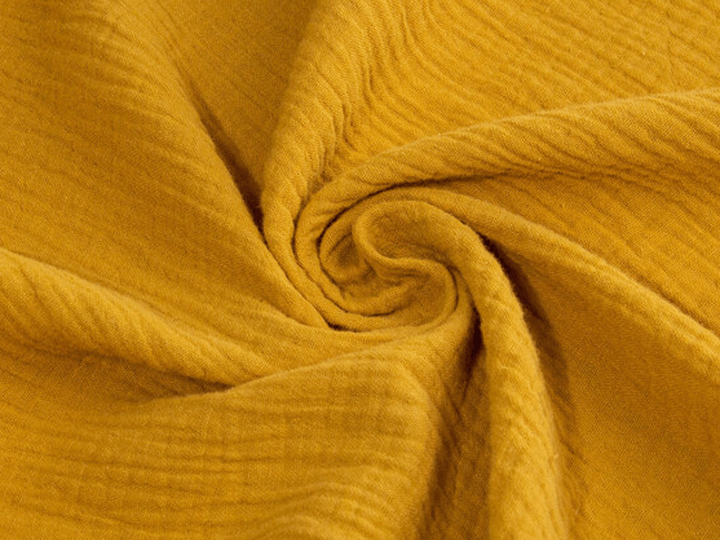
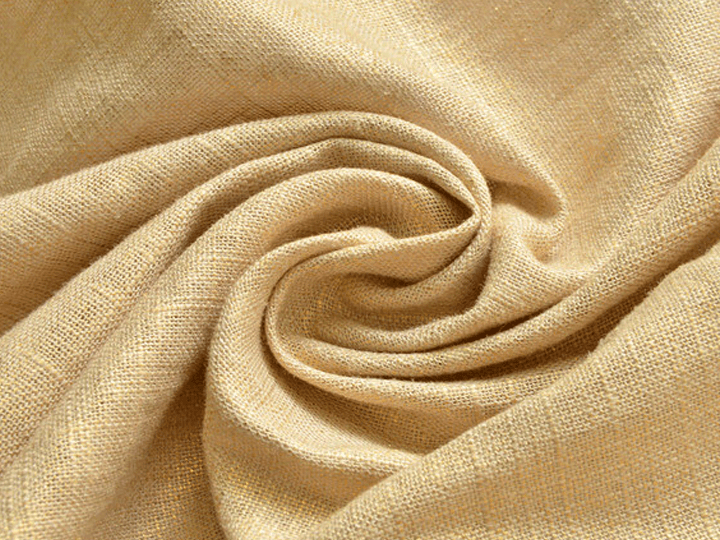
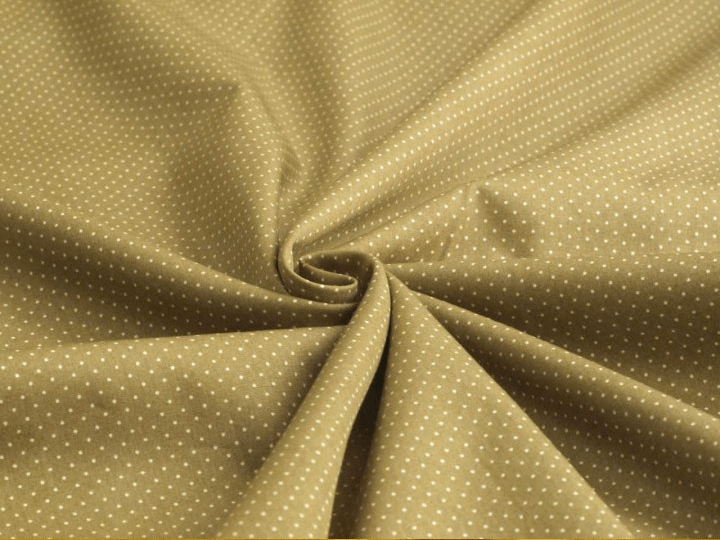
In the modern world, is there a fabric that is simultaneously suitable for sewing clothes, making household goods and medicine, and is also of natural origin? MBocharova brand not only knows about such a material, but also uses it to create clothes and shopper bags in combination with eco leather.And all this is due to linen..
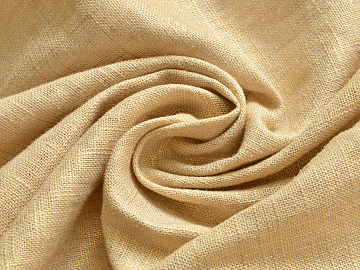
In fact, linen is not a single fabric, but a generic name for a range of materials based on long-staple flax fibers. For more than a thousand years, the fabric has not changed its recognizable texture, which gives linen products a refined look with a slight ethnic touch.
The technological process of processing linen fibers makes it possible to produce textiles of different thicknesses. The dried fibers are spun and the following is obtained: from the soft part, called fescue, a finer, more delicate thin fabric; from the coarse spun - a dense linen. All fibers have knot-like seals in their structure, which give the effect of partial light penetration through the fabric. For this reason linen is appreciated by manufacturers of curtains and other decorative products: no other fabric protects from the sun as elegantly and exquisitely as this material.
Despite its fibrous structure, linen products do not stretch. The fabric can be partially equipped with such abilities by adding other natural or synthetic fibers to the composition. However, the material is unique because of completely different characteristics that are almost impossible to find analogs for. First, linen thread can dissolve in the body over time, which is why it is used in surgery to close cuts. Second, the material has an antiseptic effect and prevents the formation of pathogenic bacteria. And third, as you can guess, linen is a hypoallergenic fabric, so clothes made from it are safe for people of all ages.
Like any natural material, linen is capricious to mechanical interactions and wrinkles easily even with small touches. At the same time, linen fabric is very difficult to cut even with sharp scissors: the fibrous structure adds strength and durability to any product.
Caring for linen products:
-
Depending on the type of material, it is necessary to pay attention to the permissible temperature of water when washing: white things - up to 95 ° C, semi linen - up to 90 ° C, colored textiles - up to 60 ° C, monochromatic dyed materials - up to 40 ° C;
-
It is recommended to wash linen items separately from items made of other materials to avoid mechanical damage or discoloration;
-
Wine and fruit stains can be easily removed by washing clothes in warm water immediately after soiling. Grease can be removed with an ammonia solution in the ratio of 1 teaspoon of spirit to 1 tablespoon of water. Old sweat stains can be removed with a solution of wine spirit and citric acid in a ratio of 10:1;
-
For linen, laundry detergents that increase the alkalinity of the water are preferred. Also, use laundry detergents with the lowest foaming rate;
-
Spin the clothes by hand, do not twist the clothes to avoid damaging the fibers;
-
Use fabric softener - it will soften even rough linen fabrics;
-
Linen canvases are best ironed wet in “Cotton” mode. If the clothes are dry, wet them with an iron or water alone;
-
Iron on the inside: high temperatures or improper ironing can cause glare, especially on dark clothing;
-
To make the material more flexible for straightening, you can put the dry product in a plastic bag and place it in the refrigerator (not the freezer) for 6-24 hours;
-
It is best to dry underwear in natural conditions, without the use of home heating devices, and protect them from direct sunlight;
-
Store linens in an upright, vertical position. If this is not possible, at least do not put anything else on top of the linen: even under a little weight, things will wrinkle.
It is not allowed:
-
Wash clothes made of very fine linen - in their case only dry cleaning is possible;
-
Use bleaching agents containing chlorine. This will inevitably cause damage to the fabric fibers;
-
Neglecting the rinsing step during laundering: if the residue of laundry detergent remains between the fibers, it will certainly cause oxidation of the fabric and the appearance of stains and spots.
Take care of your MBocharova brand clothes according to simple rules, and your favorite things will maintain an attractive appearance, comfort and convenience for a long time!